212 Kalıp Endüstri
Plastic Injection Mold Manufacturing

The Art of Engineering Made in the Heart of Production

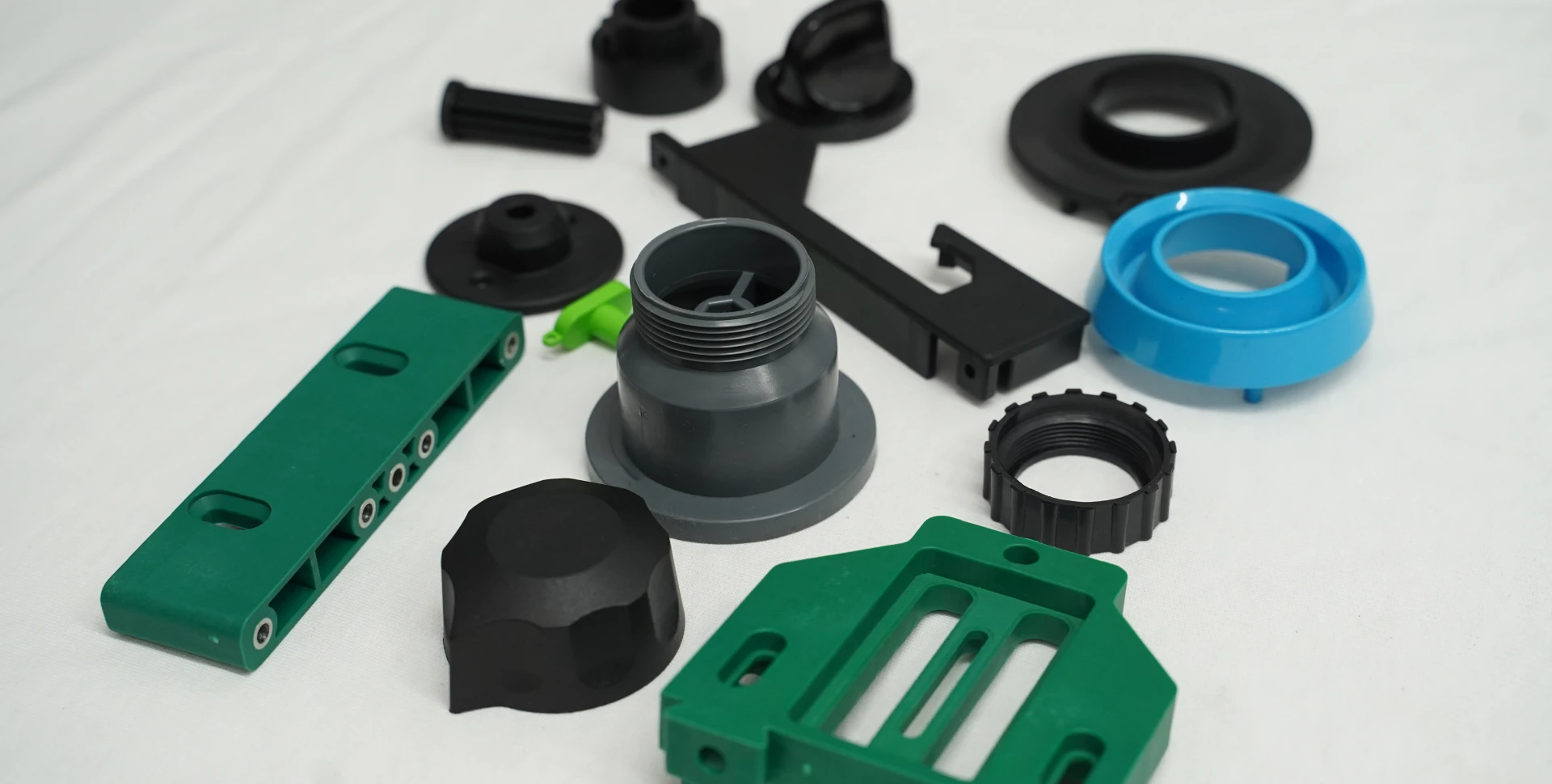
Plastic injection mold design is a critical engineering process that directly affects the quality, production efficiency and cost-effectiveness of the final plastic product. This stage represents the first and most important step in bringing the customer's product idea to life. A successful mold design is vital not only to provide the desired shape and dimensions, but also to ensure that the production process progresses smoothly, the mold is long-lasting and the parts to be produced meet the functional requirements.

Key Pillars of the Design Process:

Plastic injection mold design is a complex and multidisciplinary process. It essentially involves the following steps:

  • Product Analysis and Feasibility Study: Product drawings, 3D models, and technical specifications received from the customer are thoroughly examined. The technical and economic feasibility of the mold is evaluated by considering factors such as functional requirements of the product, expected production volume, type of plastic material to be used, and budget.
  • Material Selection: The most suitable plastic material is chosen based on the characteristics of the part to be produced (strength, flexibility, heat resistance, etc.) and production conditions. This decision significantly impacts the mold design.
  • Mold Concept Development: The basic concept of the mold is determined by taking into account the product geometry, specifications of the injection molding machine, and the expected cycle time. Key decisions at this stage include whether the mold will be single- or multi-cavity, the type of runner system (hot or cold runner), the ejection system, and cooling channels.
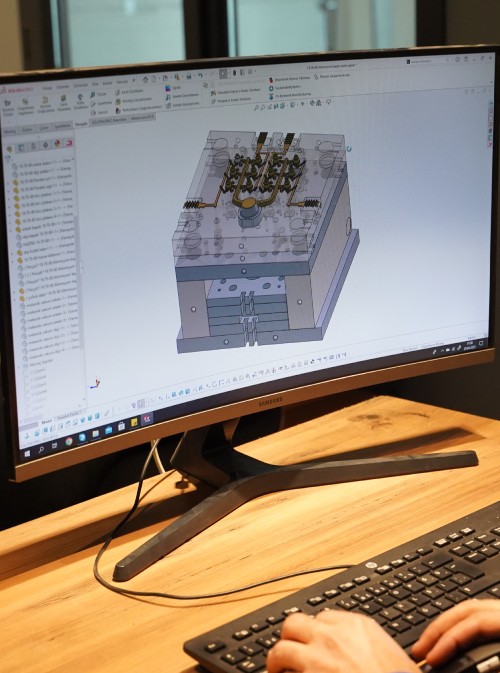
  • 3D Modeling and Simulation: The developed concept is turned into a detailed 3D model using CAD (Computer-Aided Design) software. All mold components (core, cavity, runners, ejector pins, cooling channels, etc.) are precisely designed. Injection simulations using CAE (Computer-Aided Engineering) software help predict plastic flow, pressure distribution, temperature control, and potential defects (air traps, weld lines, etc.).
  • Detailed Engineering and Technical Drawings: After completing the 3D modeling, detailed 2D technical drawings are prepared for mold manufacturing. These drawings include exact dimensions, tolerances, surface finishes, and material specifications for each mold component.
  • Cooling System Design: Effective and uniform temperature control within the mold is critical for part quality and cycle time. Therefore, the cooling system (such as water channels, baffles, bubblers, etc.) is carefully planned during the mold design process.
  • Ejection System Design: The ejection system (ejector pins, ejector plate, strippers, etc.), which ensures the safe and damage-free removal of the molded part from the mold, is designed according to the product geometry and mold layout.
  • Runner System Design: The runner system (main runner, sub-runners, nozzles) that directs the molten plastic from the injection machine into the mold cavities is designed to minimize pressure loss and optimize flow. Hot runner systems reduce material waste and shorten cycle times.

The Importance of a Successful Mold Design:

A well-executed plastic injection mold design provides the following advantages:

  • High-Quality Products: Proper design ensures that the molded plastic parts meet dimensional, surface, and functional requirements.
  • Optimal Cycle Time: Efficient mold design shortens injection and cooling times, increasing production efficiency.
  • Long Mold Life: Appropriate material selection, precise tolerances, and solid engineering reduce wear and risk of failure, thereby extending the mold’s lifespan.
  • Lower Production Costs: Optimized designs reduce material waste, improve energy efficiency, and lower maintenance costs.
  • Minimized Production Defects: Simulations and sound engineering practices help identify and eliminate potential defects before production begins.

In conclusion, plastic injection mold design forms the foundation of the plastic part manufacturing process. A precise design, carried out by experienced engineers using advanced technology and meticulous effort, is the key to a successful and efficient production process.

Contact Us
If you have any questions or feedback, feel free to reach out.
Cookie Policy As 212 Kalıp, we use cookies on our website. This Cookie Policy ("Policy") is valid for the website https://212endustri.com.tr/ managed by 212 Kalıp and cookies will be used as specified in this Policy.

I accept